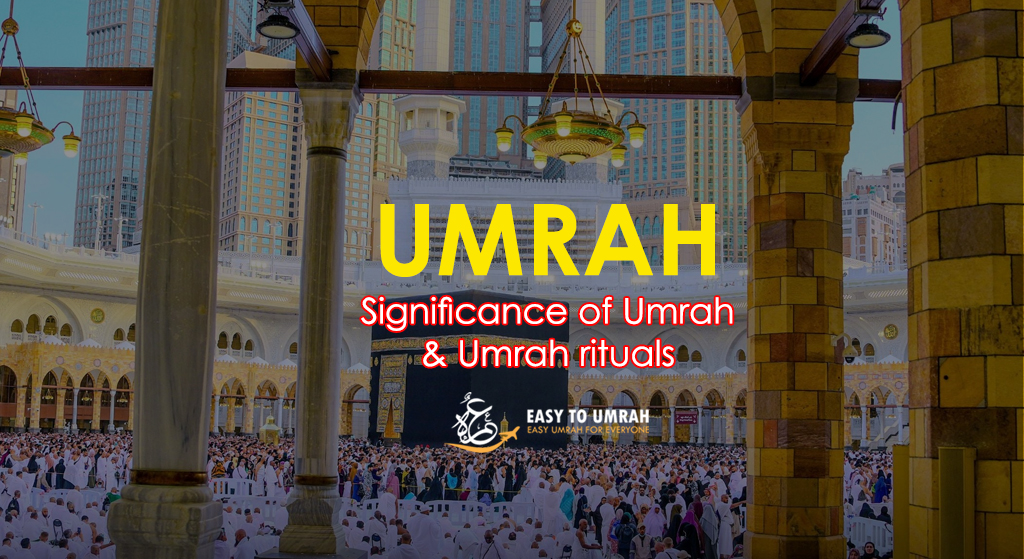
Umrah – Significance of Umrah & Umrah rituals
Umrah: The Significance of Umrah and the Meaning Behind Its Rituals
Umrah is a pilgrimage to Makkah that Muslims can perform most of the year, made up of four rituals: ihram, tawaf, sa’i and halq or taqsir. Its significance lies in seeking forgiveness, renewing faith, following the example of the Prophet ﷺ and standing together with the global Muslim family.
Each ritual of Umrah is more than a physical act. Each one carries a lesson about humility, devotion, trust and renewal. This guide explains the significance of Umrah and the meaning behind every ritual, so that when you perform it, you do so with understanding. If you are ready to plan your trip, you can start your Umrah booking with EasyToUmrah.
The Significance of Umrah
Forgiveness and Spiritual Renewal
A well-known hadith recorded in Sahih al-Bukhari and Sahih Muslim says that one Umrah to the next is an expiation for what lies between them. For this reason, many pilgrims see Umrah as a chance to turn back to Allah, repent sincerely and begin again.
Following the Sunnah of the Prophet ﷺ
The Prophet ﷺ performed Umrah and taught its rites. By performing Umrah, you follow a practice that Muslims have preserved for centuries.
Connection to Ibrahim, Hajar and Ismail
Tawaf and sa’i recall the story of Prophet Ibrahim, his wife Hajar and their son Ismail, peace be upon them. When you walk in their footsteps, their trust in Allah becomes personal.
Unity of the Ummah
In the Haram, Muslims of every nationality, colour, language and background worship side by side, facing one direction. Umrah is a living reminder that all believers are equal before Allah.
A Reset for Daily Life
Away from work and routine, pilgrims often find space for focused prayer, reflection and gratitude. Many return home with stronger habits.
The Rituals of Umrah and Their Meaning
Ritual 1: Ihram, the Sacred State
What you do: Make the intention for Umrah at the miqat, wear the ihram clothing (two unstitched white cloths for men, modest everyday clothing for women) and recite the Talbiyah.
What it means:
- Humility and equality. Simple clothing removes signs of wealth and rank.
- Answering the call. The Talbiyah means “Here I am, O Allah, here I am.” It is your reply to the call of pilgrimage.
- Self-restraint. The restrictions of ihram train patience, gentleness and discipline.
Ritual 2: Tawaf, Circling the Kaaba
What you do: Circle the Kaaba seven times, anticlockwise, starting at the Black Stone corner, then pray two rakahs and drink Zamzam.
What it means:
- Life centred on Allah. Everyone moves around one point, a picture of a life organised around worship.
- Unity. Millions move together with a single purpose.
- Devotion. Each circuit is a chance for dua, dhikr and gratitude.
Ritual 3: Sa’i, Walking Between Safa and Marwa
What you do: Walk seven laps between the hills of Safa and Marwa, starting at Safa and ending at Marwa.
What it means:
- Effort with trust. Hajar ran in search of water while relying on Allah. Sa’i teaches us to strive and to trust.
- Perseverance. Hope continues even when the path seems hard.
- Remembering Zamzam. Muslim tradition holds that the spring appeared through Allah’s mercy, a sign that no sincere effort is wasted.
Ritual 4: Halq or Taqsir, Shaving or Trimming
What you do: Men shave (halq) or trim (taqsir) their hair, and women trim a small portion.
What it means:
- Completion and renewal. It marks the end of ihram and a fresh start.
- Letting go. It symbolises humility and surrender after worship.
Quick Reference: Umrah Rituals and Their Lessons
| Ritual | What You Do | Core Lesson |
|---|---|---|
| Ihram | Intention, ihram clothing, Talbiyah | Humility and equality |
| Tawaf | 7 circuits around the Kaaba | Life centred on Allah |
| Sa’i | 7 laps between Safa and Marwa | Effort, trust and perseverance |
| Halq or Taqsir | Shave or trim hair | Renewal and completion |
For a full step-by-step walkthrough, read our guide on how to perform the rituals of Umrah.
Spiritual Benefits of Umrah
- Forgiveness: a chance to repent and renew your intention
- Closeness to Allah: time and place devoted to worship
- Patience and humility: built through crowds, heat and discipline
- Gratitude: awareness of your blessings and of the wider Ummah
- Community: shared worship with Muslims from around the world
- Lasting change: stronger prayer and character after returning
Sincere intention and good conduct matter most. The rituals are a means to draw closer to Allah, not only a checklist.
Umrah in Ramadan
There is an authentic narration that Umrah in Ramadan carries a reward comparable to Hajj. Ramadan is therefore one of the most sought-after seasons, and also the busiest and most expensive. If you plan to travel then, begin your Umrah booking early, as hotels close to the Haram fill quickly.
Preparing Your Heart and Your Journey
Prepare Spiritually
- Make a sincere intention and repent before you travel
- Learn the rites and the duas you wish to recite
- Settle debts and seek forgiveness from others where you can
- Prepare a list of duas for yourself, your family and the Ummah
Prepare Practically
- Book early for better hotels and flights
- Check your passport and visa. Requirements are set by the Saudi authorities and can change
- Compare Umrah packages by hotel distance, inclusions and terms, not only price
- Prepare physically. There is a lot of walking, often in heat
- Pack light, with comfortable footwear and unscented toiletries
Plan Your Umrah with EasyToUmrah
Understanding the significance of Umrah helps you perform it with sincerity. The practical side should not distract from that. With EasyToUmrah, you can compare Umrah packages, choose hotels and flights and complete your booking Umrah request online, with clear information and support from our team.
Frequently Asked Questions
What is the significance of Umrah?
Umrah offers a chance for forgiveness, spiritual renewal and closeness to Allah. It follows the example of the Prophet ﷺ and connects pilgrims to the story of Ibrahim, Hajar and Ismail.
What are the rituals of Umrah?
The four rituals are ihram, tawaf, sa’i and halq or taqsir.
What is the meaning of tawaf?
Tawaf is circling the Kaaba seven times. It reflects a life centred on the worship of Allah and the unity of believers.
Why do pilgrims walk between Safa and Marwa?
To remember Hajar’s search for water for her son Ismail. It teaches effort combined with trust in Allah.
Is Umrah obligatory?
Scholars differ. Many consider it a highly recommended sunnah, while some hold it obligatory once in a lifetime for those who are able.
Does Umrah wash away sins?
A hadith says one Umrah to the next is an expiation for what lies between them. Sincere repentance and good deeds remain essential.
Can I perform Umrah in Ramadan?
Yes, and many pilgrims choose to. Book early, since it is the busiest season.
Final Thoughts
The significance of Umrah lies in what it does to the heart: humility in ihram, devotion in tawaf, trust in sa’i and renewal in halq or taqsir. Understand these meanings before you go, and your journey becomes much more than a trip. May Allah accept your Umrah and make it easy for you.