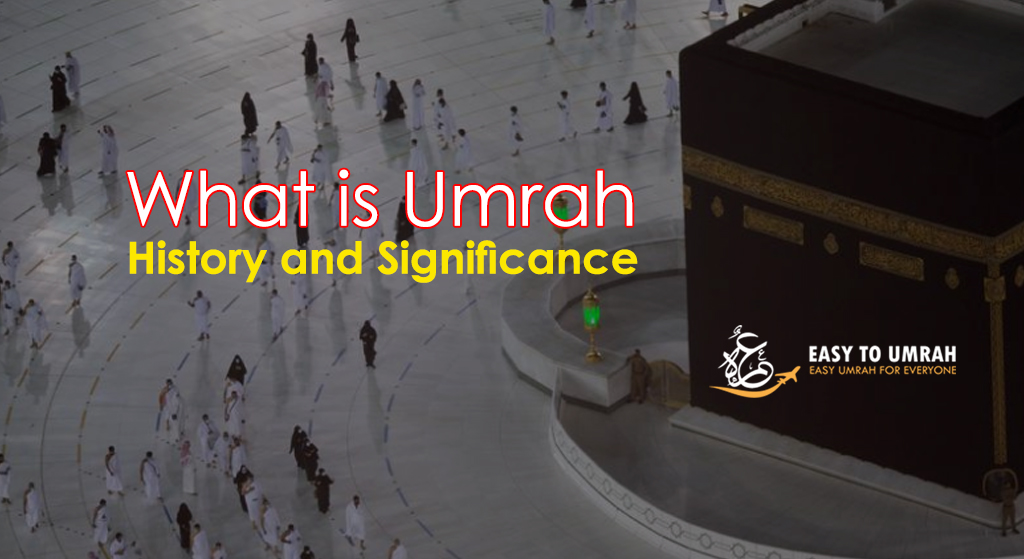
What is Umrah? – History and Significance
What Is Umrah? Meaning, History and Significance
Umrah is an Islamic pilgrimage to Makkah that Muslims can perform at almost any time of the year. It consists of four main rites: ihram (entering the sacred state), tawaf (circling the Kaaba seven times), sa’i (walking seven times between Safa and Marwa) and halq or taqsir (shaving or trimming the hair). It is often called the “lesser pilgrimage” because it has fewer rites and no fixed dates, unlike Hajj.
Whether you are curious about its history or ready to start your Umrah booking, this guide explains the meaning, origins and spiritual importance of Umrah in plain language.
In This Guide
- Meaning of Umrah
- The Rites of Umrah
- History of Umrah
- Ruling on Umrah
- Spiritual Significance
- Umrah vs Hajj
- Umrah and Madinah
- Planning Your Umrah Today
- FAQs
Scholars differ on some rulings. Consult a qualified scholar for specific questions.
What Does Umrah Mean?
The Arabic word Umrah comes from a root meaning “to visit.” In Islamic law, it refers to visiting the Kaaba in Makkah to perform a specific set of rites with the intention of worship. Because it can be performed outside the Hajj season, many Muslims perform Umrah repeatedly across their lives.
What Are the Rites of Umrah?
1. Ihram
The pilgrim makes the intention (niyyah) for Umrah and enters the sacred state at the miqat. Men wear two unstitched white cloths, and women wear modest everyday clothing.
2. Tawaf
Pilgrims circle the Kaaba seven times, anticlockwise, beginning at the Black Stone corner.
3. Sa’i
Pilgrims walk seven laps between the hills of Safa and Marwa, beginning at Safa and ending at Marwa.
4. Halq or Taqsir
Men shave or trim the hair, and women trim a small portion. This ends the state of ihram and completes the Umrah.
For a detailed walkthrough, read our guide on how to perform the rituals of Umrah.
What Is the History of Umrah?
The Roots in the Story of Ibrahim and Ismail
According to Islamic tradition, Prophet Ibrahim (Abraham) and his son Ismail (Ishmael), peace be upon them, raised the foundations of the Kaaba as a house for the worship of one God. Ibrahim was commanded to call people to the pilgrimage.
Hajar, Safa and Marwa
Sa’i remembers Hajar, the mother of Ismail. Left in the valley of Makkah with her infant son, she ran between Safa and Marwa searching for water. Muslim tradition holds that the spring of Zamzam then appeared by Allah’s mercy. Every pilgrim who walks sa’i remembers her trust and perseverance.
Makkah Before Islam
Over time, the worship of one God around the Kaaba was obscured by idol worship, though visiting Makkah remained part of Arabian life.
The Prophet Muhammad ﷺ and Umrah
The Prophet ﷺ restored the Kaaba to pure monotheism and taught the rites of Umrah. Important moments include:
- Hudaybiyyah (6 AH): The Prophet ﷺ and his companions set out for Umrah but were stopped outside Makkah. The treaty that followed allowed Muslims to return the next year.
- Umrah al-Qada (7 AH): The Muslims performed Umrah in Makkah as agreed.
- The Conquest of Makkah (8 AH): The Kaaba was cleansed of idols and returned to the worship of Allah alone.
According to authentic narrations, the Prophet ﷺ performed Umrah on several occasions, and Muslims have followed his example ever since.
Umrah Through the Centuries
Since then, Umrah has remained a living tradition. Over time, the Haramain have been expanded and travel has become far easier. Today, pilgrims arrive by air, stay in hotels near the Haram and book organised packages.
What Is the Ruling on Umrah?
Scholars hold different views. Many describe Umrah as a highly recommended sunnah, while others, including some Shafi’i and Hanbali scholars, hold that it is obligatory once in a lifetime for those who are able. Ask a qualified scholar which view applies to you.
What Is the Significance of Umrah?
A Chance for Forgiveness and Renewal
A well-known hadith recorded in Sahih al-Bukhari and Sahih Muslim states that one Umrah to the next is an expiation for what lies between them. Many pilgrims describe Umrah as a spiritual reset.
Connection to the Prophets
Tawaf and sa’i bring the stories of Ibrahim, Hajar and Ismail to life. You perform acts that believers have practised for generations.
Unity of the Ummah
In the Haram, Muslims of every nationality, language and background worship together, facing one direction, in simple clothing. It is a powerful reminder of equality before Allah.
Humility, Patience and Gratitude
Ihram removes signs of status. Crowds, heat and long walks build patience and humility.
Renewed Habits After Returning
Many pilgrims come home with stronger prayer, better character and a deeper sense of purpose.
Umrah in Ramadan
There is an authentic narration that Umrah in Ramadan carries a reward comparable to Hajj. Because of this, Ramadan Umrah is highly sought after, and early Umrah booking is strongly advised.
Umrah vs Hajj: What Is the Difference?
| Umrah | Hajj | |
|---|---|---|
| Also known as | Lesser pilgrimage | Greater pilgrimage |
| Timing | Most of the year | 8 to 13 Dhul Hijjah |
| Ruling | Recommended; obligatory once according to some scholars | Obligatory once for those able |
| Main rites | Ihram, tawaf, sa’i, halq or taqsir | Ihram, Arafat, Muzdalifah, Mina, Jamarat, tawaf, sa’i and more |
| Duration of rites | A few hours | Several days |
| Permit | Umrah visa | Official Hajj permit |
Umrah does not replace Hajj, but it is a rewarding act of worship in its own right. Related reading: Essential Duties of Hajj.
Does Umrah Include Madinah?
The rites of Umrah take place in Makkah only. Visiting Madinah, the city of the Prophet ﷺ and home to Masjid an-Nabawi, is not part of Umrah, but most pilgrims add it to their trip, and most Umrah packages include both cities.
How to Plan Your Umrah Today
- Choose your dates. Ramadan and school holidays are busiest and most expensive.
- Select an Umrah package that fits your budget, hotel preferences and group.
- Check your passport and visa. Requirements are set by the Saudi authorities and can change.
- Learn the rites and prepare your body and heart.
- Book early for better hotels and flights.
At EasyToUmrah, you can compare Umrah packages, choose hotels and flights, and complete your booking Umrah request online, with guidance from our team.
Frequently Asked Questions
What is Umrah in simple words?
Umrah is a pilgrimage to Makkah that can be performed most of the year. It includes ihram, tawaf, sa’i and halq or taqsir.
Why is Umrah called the lesser pilgrimage?
It has fewer rites than Hajj and no fixed date.
Who started Umrah?
Its roots go back to Prophet Ibrahim and Ismail (peace be upon them). The Prophet Muhammad ﷺ taught the rites in the form Muslims follow today.
Is Umrah compulsory?
Scholars differ. Many consider it a highly recommended sunnah, while some say it is obligatory once in a lifetime.
When can I perform Umrah?
Most of the year, though it is generally not available during the Hajj period. Confirm current dates and rules before planning.
Does Umrah forgive sins?
A hadith says one Umrah to the next is an expiation for what is between them. Sincere repentance and good deeds remain essential.
How long does Umrah take?
The rites take a few hours. Most travellers stay 7 to 14 nights to include Makkah and Madinah.
How do I book Umrah online?
Choose a package, select your dates, submit your traveller details and confirm. EasyToUmrah guides you through each step.
Final Thoughts
Umrah is a journey rooted in the story of Ibrahim, Hajar and Ismail, shaped by the example of the Prophet ﷺ and lived by Muslims around the world today. Understanding its history and significance helps you perform it with awareness and sincerity. May Allah accept your Umrah and make your journey easy.