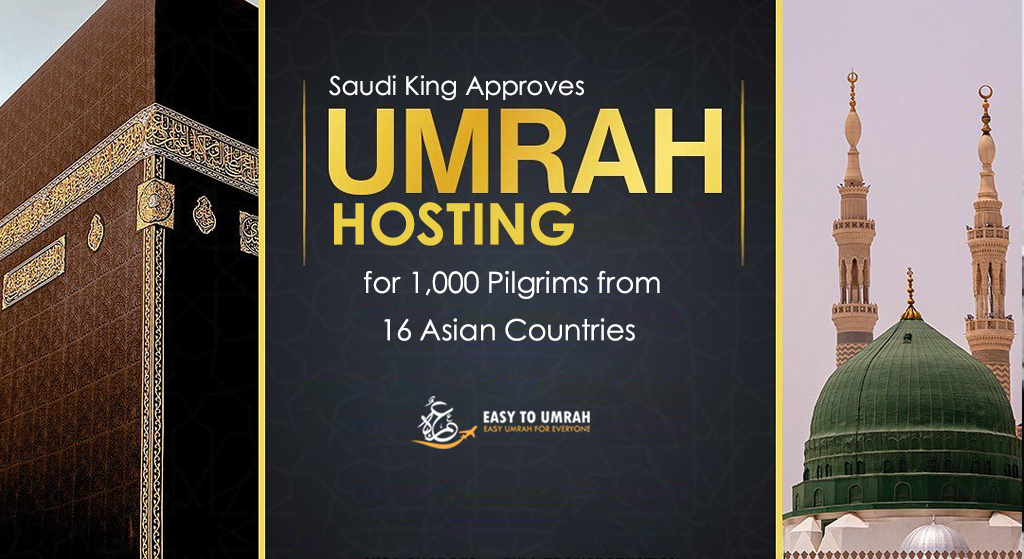
Saudi King Approves Umrah Hosting for 1,000 Pilgrims from 16 Asian Countries
Saudi King Approves Umrah Hosting for 1,000 Pilgrims from 16 Asian Countries
Introduction
Saudi King Approves Umrah Hosting for 1,000 Pilgrims from 16 Asian Countries, marking another significant step in the Kingdom’s efforts to strengthen Islamic unity and provide spiritual opportunities for Muslims worldwide. Under the Custodian of the Two Holy Mosques’ Guests Program, 1,000 pilgrims from 16 Asian nations will be invited to perform Umrah, with all travel and accommodation expenses covered by the Saudi government. This initiative reflects Saudi Arabia’s ongoing commitment to serving Islam and facilitating religious journeys for Muslims across the globe. In this article, we’ll explore the details of the programme, its significance, eligibility, benefits, and what it means for the participating countries.
What Is the Custodian of the Two Holy Mosques’ Guests Program?
The Custodian of the Two Holy Mosques’ Guests Program is a Saudi government initiative supervised by the Ministry of Islamic Affairs, Dawah and Guidance. The programme was established to host distinguished Muslim guests from around the world for religious pilgrimages and educational visits.
Its primary objectives include:
- Strengthening Islamic solidarity among nations
- Promoting cultural and religious exchange
- Facilitating Umrah and Hajj for deserving Muslims
- Highlighting Saudi Arabia’s commitment to serving Islam
Every year, the programme welcomes thousands of guests, including scholars, religious leaders, academics, and pilgrims from dozens of countries.
Saudi King Approves Umrah Hosting for 1,000 Pilgrims from 16 Asian Countries
The latest royal approval allows 1,000 pilgrims representing 16 Asian countries to perform Umrah under the Kingdom’s guest programme.
The initiative includes comprehensive support, ensuring participants can focus entirely on their spiritual journey.
Benefits Provided to Pilgrims
Selected pilgrims receive:
- Round-trip international airfare
- Visa processing assistance
- Comfortable hotel accommodation
- Local transportation within Saudi Arabia
- Organized Umrah itinerary
- Religious and cultural programmes
- Medical support during their stay
- Guided visits to Islamic historical sites in Makkah and Madinah
The programme removes financial barriers that often prevent many Muslims from performing Umrah.
Countries Included in the Programme
The guest programme covers pilgrims from 16 Asian countries, reflecting Saudi Arabia’s broader outreach to Muslim communities across Asia.
While the official list may vary each year, participating countries are generally selected based on diplomatic cooperation and recommendations from relevant authorities.
The initiative demonstrates Saudi Arabia’s commitment to supporting Muslim communities throughout the continent.
Why This Initiative Matters
Hosting international pilgrims goes beyond facilitating religious travel.
1. Promoting Islamic Unity
The programme strengthens bonds between Muslims from diverse cultures and nationalities.
2. Expanding Religious Diplomacy
Saudi Arabia continues to strengthen relationships with Muslim-majority and minority countries through humanitarian and religious initiatives.
3. Supporting Underprivileged Pilgrims
Many beneficiaries may not otherwise have the financial means to perform Umrah.
4. Sharing Islamic Knowledge
Pilgrims participate in educational sessions led by scholars, enhancing their understanding of Islamic teachings.
How Are Pilgrims Selected?
Selection procedures typically involve nominations from official religious institutions, Islamic organizations, or government authorities in participating countries.
Common selection criteria include:
- Good moral character
- Active community service
- Religious contribution
- Recommendation from local authorities
- Compliance with Saudi travel requirements
Each participating country follows its own nomination process in coordination with Saudi authorities.
What Does the Programme Cover?
One of the biggest advantages of the royal guest programme is that nearly all major expenses are covered.
Included Services
- International flights
- Accommodation
- Meals
- Ground transportation
- Umrah arrangements
- Health services
- Religious guidance
- Visits to historical Islamic landmarks
This comprehensive support enables pilgrims to complete their religious journey without financial stress.
Saudi Arabia’s Continued Commitment to Serving Pilgrims
Saudi Arabia invests billions of dollars annually to improve services for Hajj and Umrah pilgrims.
Major improvements include:
- Expansion of the Grand Mosque
- Advanced crowd management systems
- Digital visa services
- High-speed transportation
- Improved accommodation standards
- Smart pilgrimage applications
- Enhanced healthcare facilities
These developments are aligned with Saudi Vision 2030, which aims to enhance the experience of millions of pilgrims visiting the holy cities each year.
Economic and Cultural Impact
The guest programme delivers benefits beyond religious tourism.
Cultural Exchange
Pilgrims interact with Muslims from different countries, fostering mutual understanding and lasting friendships.
Educational Opportunities
Religious seminars and guided visits help participants deepen their knowledge of Islamic history and heritage.
Strengthened International Relations
Such initiatives reinforce diplomatic ties between Saudi Arabia and Asian nations.
Key Facts at a Glance
| Feature | Details |
|---|---|
| Programme | Custodian of the Two Holy Mosques’ Guests Program |
| Approved By | Saudi King |
| Number of Pilgrims | 1,000 |
| Participating Countries | 16 Asian nations |
| Purpose | Perform Umrah under royal sponsorship |
| Expenses Covered | Flights, accommodation, transport, guidance, healthcare |
| Organizing Authority | Ministry of Islamic Affairs |
Notable Statements
Saudi officials have consistently emphasized that serving pilgrims remains one of the Kingdom’s highest priorities. The Ministry of Islamic Affairs has stated that the programme reflects Saudi Arabia’s commitment to fostering Islamic solidarity and providing distinguished services to Muslims worldwide.
Frequently Asked Questions (People Also Ask)
1. Who is eligible for the Saudi guest Umrah programme?
Eligibility varies by country. Participants are generally nominated by official religious institutions, Islamic organizations, or government authorities based on community service, religious contributions, and other established criteria.
2. Are all Umrah expenses covered under the programme?
Yes. The programme typically covers airfare, accommodation, transportation, meals, medical support, and religious guidance, allowing pilgrims to perform Umrah without bearing these major costs.
3. How are the 1,000 pilgrims selected?
Pilgrims are nominated through official channels in participating countries. Saudi authorities review and coordinate the final list in collaboration with local institutions.
4. What is the purpose of the Custodian of the Two Holy Mosques’ Guests Program?
The programme aims to strengthen Islamic unity, support deserving Muslims, promote cultural exchange, and facilitate religious pilgrimages for participants from around the world.
5. Does this programme include visits beyond Umrah?
Yes. Participants often visit important Islamic historical sites in Makkah and Madinah and attend educational and cultural programmes organized by the Ministry of Islamic Affairs.
Conclusion
The decision that Saudi King Approves Umrah Hosting for 1,000 Pilgrims from 16 Asian Countries underscores Saudi Arabia’s ongoing commitment to serving Muslims worldwide through meaningful religious initiatives. By covering travel, accommodation, healthcare, and educational activities, the Kingdom enables deserving individuals to fulfill a lifelong spiritual aspiration while strengthening bonds across the global Muslim community.
As Saudi Arabia continues to enhance the pilgrimage experience through infrastructure development and international outreach, programmes like this remain a powerful symbol of faith, generosity, and unity.