Saudi Arabia Adds 20 New High-Speed Trains to Haramain Railway
Introduction
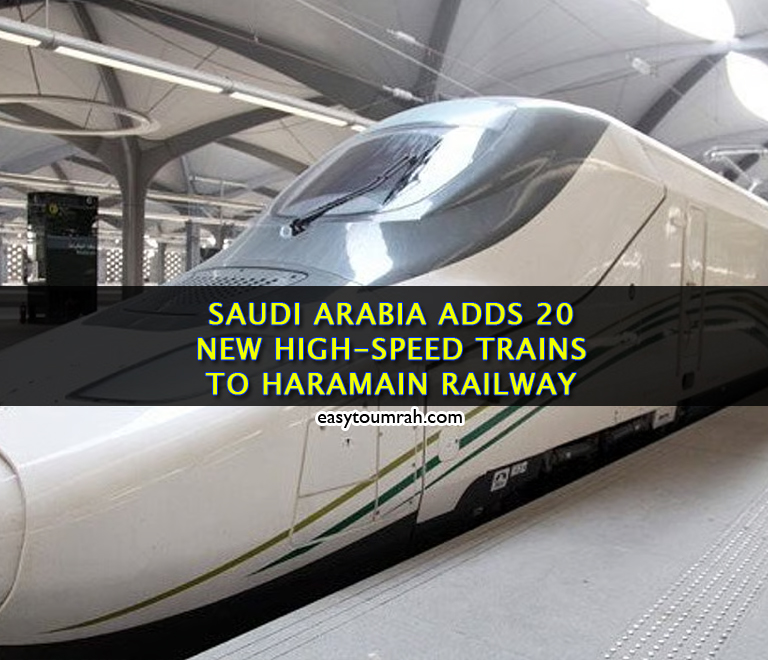
Saudi Arabia adds 20 new high-speed trains to the Haramain Railway, marking a major step toward enhancing transportation for pilgrims, tourists, and daily commuters. The expansion strengthens one of the Kingdom’s most important rail networks, which connects the holy cities of Makkah and Madinah via Jeddah and King Abdulaziz International Airport.
This move supports Saudi Vision 2030 by improving mobility, reducing congestion, and delivering a faster, safer, and more comfortable travel experience—especially during peak Hajj and Umrah seasons.
Overview of the Haramain High-Speed Railway
The Haramain High-Speed Railway is one of the fastest electric rail systems in the Middle East, designed specifically to serve millions of pilgrims and travelers each year.
Key Features of the Haramain Railway
- 🚄 Speeds of up to 300 km/h
- 📍 Connects Makkah, Madinah, Jeddah, and KAIA
- ⏱️ Reduces travel time between Makkah and Madinah to around 2 hours
- 🌍 Environmentally friendly alternative to road transport
Why Saudi Arabia Added 20 New High-Speed Trains
The addition of 20 new trains is driven by increasing demand and long-term planning.
Main Reasons Behind the Expansion
- Rising number of Umrah and Hajj pilgrims
- Growth in religious and domestic tourism
- Seasonal congestion during peak travel periods
- Need for higher operational efficiency and reliability
By expanding the fleet, Saudi authorities aim to ensure smoother operations even during high-demand periods.
Benefits of the New High-Speed Trains
For Pilgrims and Passengers
- ✔️ Shorter waiting times
- ✔️ Increased seat availability
- ✔️ Improved travel comfort
- ✔️ Better on-time performance
For Saudi Arabia’s Transport Network
- Reduced road traffic between holy cities
- Lower carbon emissions
- Enhanced national infrastructure resilience
- Support for smart mobility goals
Impact on Hajj and Umrah Operations
The Haramain Railway plays a critical role during pilgrimage seasons.
How the Expansion Helps Pilgrims
- Faster transfers between holy cities
- Reduced dependence on buses and cars
- Improved crowd management
- Safer long-distance travel
As one transport official noted:
“Expanding the Haramain fleet ensures seamless movement of pilgrims while maintaining the highest safety and service standards.”
Alignment With Saudi Vision 2030
The railway expansion directly supports Vision 2030 objectives, including:
- Hosting 30+ million Umrah pilgrims annually
- Enhancing transport infrastructure
- Promoting sustainable travel
- Improving overall visitor experience
The new trains also reflect Saudi Arabia’s commitment to world-class public transportation.
Technical Highlights of the New Trains
While full specifications may vary, the newly added trains are expected to feature:
- Advanced braking and safety systems
- Modern passenger cabins
- Improved accessibility for elderly and disabled passengers
- Energy-efficient operations
FAQs – People Also Ask
What is the Haramain High-Speed Railway?
The Haramain Railway is a high-speed rail line connecting Makkah, Madinah, Jeddah, and King Abdulaziz International Airport.
Why did Saudi Arabia add 20 new trains?
To meet growing passenger demand, especially during Hajj and Umrah seasons, and to improve service efficiency.
How fast do Haramain trains travel?
Haramain trains can reach speeds of up to 300 km/h, making them among the fastest in the region.
How does this benefit Umrah and Hajj pilgrims?
It reduces travel time, eases congestion, and provides safer, more comfortable transport between holy cities.
Is the Haramain Railway part of Vision 2030?
Yes, it plays a key role in Saudi Arabia’s Vision 2030 goals for transportation and tourism development.
Conclusion
The announcement that Saudi Arabia adds 20 new high-speed trains to the Haramain Railway highlights the Kingdom’s commitment to modern infrastructure and exceptional pilgrim services. With increased capacity, better efficiency, and enhanced comfort, the expansion is set to transform intercity travel for millions of passengers.
This move isn’t just about trains—it’s about preparing Saudi Arabia for the future of mobility.